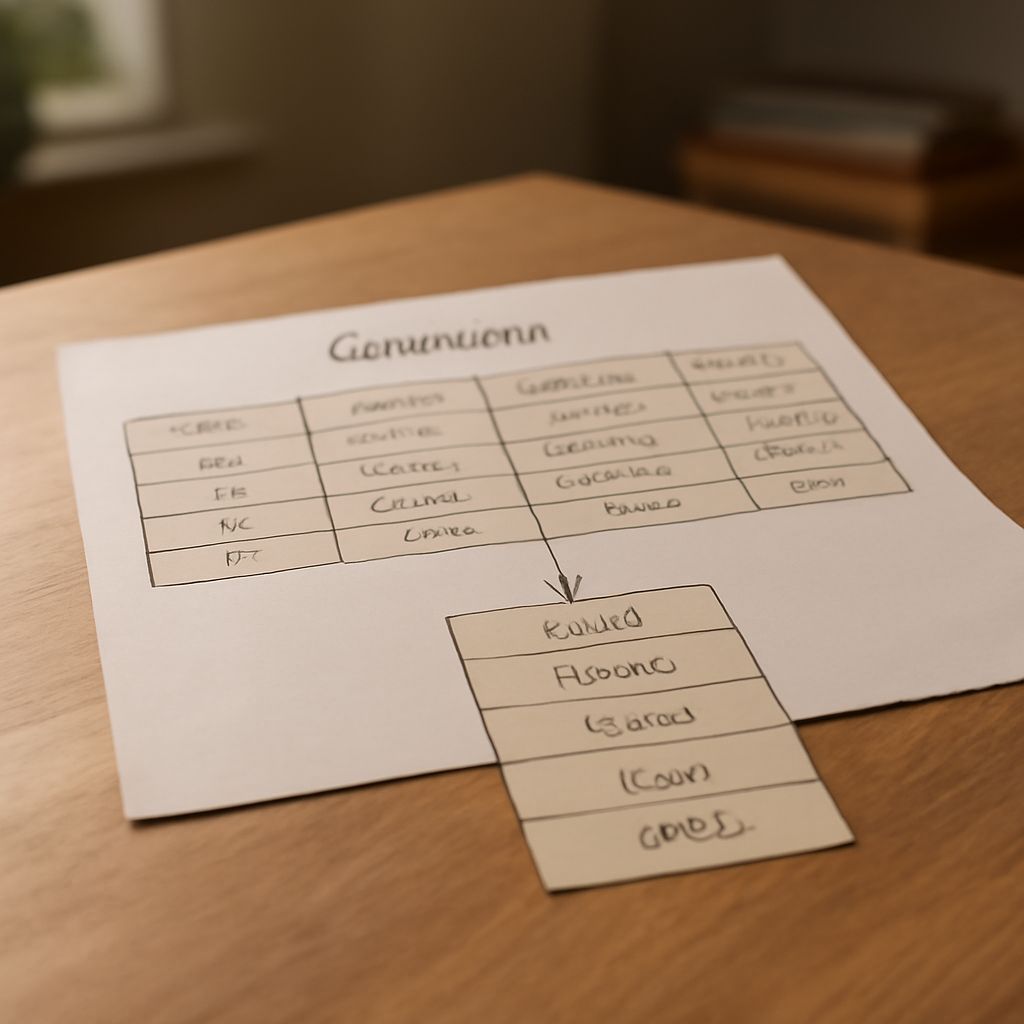
The SQL WITH clause, also known as a Common Table Expression (CTE), is a powerful SQL feature that allows for improved organization and readability of complex queries. It enables the creation of temporary result sets that can be referenced within a SELECT, INSERT, UPDATE, or DELETE statement. By using the WITH clause, SQL developers can simplify their code, making it easier to manage and understand.
What is a SQL WITH Clause?
The SQL WITH clause is essentially a temporary named result set that exists only during the execution of a query. Unlike traditional subqueries, CTEs are defined at the beginning of a query and can be referenced multiple times within the main SQL statement. This feature is particularly useful for breaking down large queries into more manageable sections, simplifying debugging and maintenance.
How to Use WITH AS in SQL
To use the WITH clause in SQL, you start by defining the CTE with the keyword WITH, followed by the name of the CTE and the AS keyword. Inside parentheses, you define the query that generates the result set for the CTE. This CTE can then be referenced as if it were a table or view in the main query. Here is a simple syntax example:
WITH cte_name AS (
  SELECT column1, column2
  FROM table_name
  WHERE condition
)
SELECT column1, column2
FROM cte_name;
In this example, cte_name is a CTE that extracts column1 and column2 from table_name based on a specified condition. The main query then selects data from cte_name.
Benefits of Using SQL WITH Clauses
There are several advantages to using SQL WITH clauses:
- Improved Readability: By breaking down complex queries into smaller, named components, CTEs make SQL statements easier to read and understand.
- Reusability: A CTE can be referenced multiple times within the same query, reducing redundancy and potential errors.
- Modularity: CTEs promote a modular approach to query building, allowing developers to isolate specific parts of the query logic.
- Debugging Ease: Since CTEs can be individually tested and modified, they simplify the process of diagnosing and fixing errors within complex queries.
- Recursion Support: Recursive CTEs enable complex hierarchical data retrieval, such as organizational charts or file systems, straightforwardly.
Examples of SQL WITH Clauses in Practice
Consider a scenario where you need to calculate sales growth between two years for different products. Using a CTE, you can simplify the task:
WITH sales_cte AS (
  SELECT product_id, year, SUM(sales) AS total_sales
  FROM sales_data
  GROUP BY product_id, year
)
SELECT a.product_id,
       a.total_sales - b.total_sales AS sales_growth
FROM sales_cte a
JOIN sales_cte b ON a.product_id = b.product_id
WHERE a.year = 2023 AND b.year = 2022;
In this example, the CTE sales_cte aggregates sales data by product and year. The main query then calculates the sales growth by joining the CTE on product IDs and comparing sales between 2022 and 2023.
By using the SQL WITH clause, developers can create organized, efficient, and easily maintainable SQL queries that improve overall code quality and reduce the complexity associated with large datasets.